
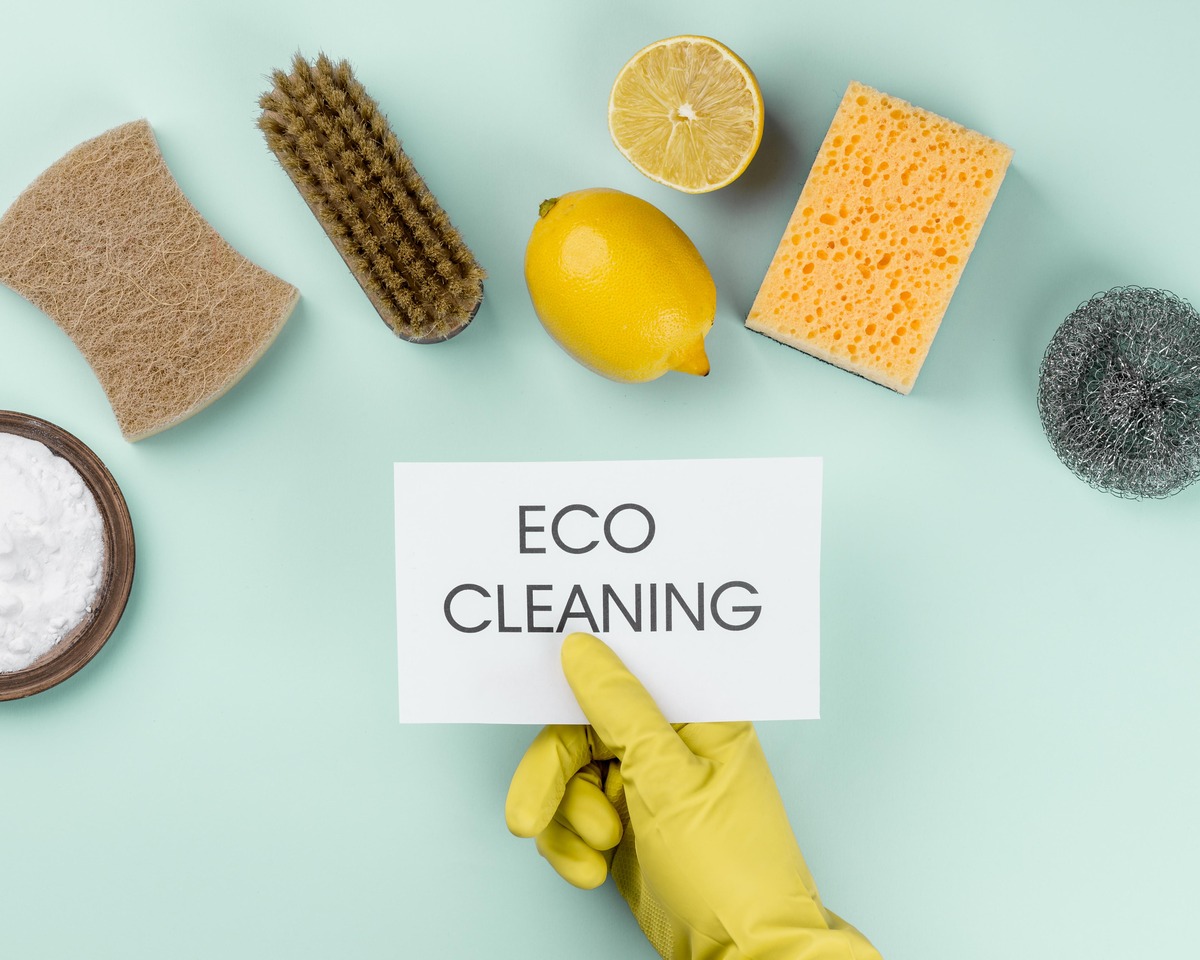
Singapore’s homes are getting cleaner but not always in the way you might think. Behind the gleaming kitchen countertops and freshly mopped floors of many households lies a cocktail of synthetic chemicals that may be doing more harm than good. From VOC-laden sprays to bleach-based toilet cleaners, conventional cleaning products are increasingly under scrutiny as Singaporean families prioritise health, safety, and sustainability.
The good news is that switching to eco-friendly cleaning does not mean compromising on results. This guide explores what non-toxic home cleaning really means, which natural solutions actually work, and when it makes sense to call in professional green cleaning services in Singapore.
Why Eco-Friendly Cleaning Is Growing in Singapore
Eco-conscious cleaning is no longer a niche lifestyle choice. Across Singapore, more households and businesses are reconsidering what goes into their cleaning products and for good reason.
Health Concerns: Children, Pets, and Allergies
In homes where young children crawl on freshly mopped floors or pets rest on recently wiped surfaces, the invisible residue left behind by chemical cleaners is a genuine concern. Children breathe faster than adults and are proportionally more exposed to airborne toxins, while their developing immune systems are more vulnerable to chemical irritants. Similarly, pets absorb surface residues through their paws and grooming behaviour.
Non-toxic, plant-based cleaning products eliminate this exposure risk. They break down into harmless compounds after use, leaving no harmful residue on surfaces that children or animals come into contact with daily.
Environmental Awareness
Singapore’s commitment to sustainability range from the Green Plan 2030 to the Resource Sustainability Act has raised environmental consciousness among residents and businesses alike. Conventional cleaning chemicals containing phosphates, chlorine, and synthetic surfactants can contaminate waterways and harm aquatic life when washed down drains. Biodegradable, plant-derived alternatives break down naturally and support Singapore’s broader sustainability goals.
Reduced Indoor Air Pollution
Singapore’s urban lifestyle means most residents spend the majority of their time indoors in air-conditioned homes and offices where air circulation is limited. This makes indoor air quality particularly important. Conventional cleaning products release volatile organic compounds (VOCs) that linger in enclosed spaces, contributing to what the US EPA has found can be indoor air two to five times more polluted than outdoor air. Switching to low-VOC, fragrance-free cleaning products is one of the most impactful steps a household can take to improve the air quality in their home.
The Hidden Risks of Harsh Chemical Cleaners
Most Singaporeans would not knowingly introduce harmful substances into their homes, yet many common cleaning products do exactly that. Here is what you need to know.
Respiratory Irritation
Ammonia, chlorine bleach, and synthetic fragrances are among the most common respiratory irritants found in household cleaners. Researchers have identified over 530 unique VOCs across 30 common cleaning products, with 193 classified as hazardous. For individuals with asthma, chronic allergies, or other respiratory conditions, regular exposure to these chemicals in an enclosed Singapore home can trigger or worsen symptoms significantly.
Skin Sensitivity
Direct skin contact with cleaning chemicals can cause irritation, dryness, and allergic reactions even when it is diluted. Ingredients such as sodium lauryl sulphate (SLS), formaldehyde-releasing preservatives, and artificial fragrances are common culprits. This is of particular concern for domestic helpers and cleaning professionals who handle these products daily without adequate protective equipment.
Long-Term Surface Damage
Harsh chemicals do not just affect human health, they can degrade the surfaces they are meant to clean. Bleach-based products can discolour grout, corrode metal fixtures over time, and strip protective coatings from wood and stone. Acid-based cleaners, if used incorrectly, can permanently etch natural stone surfaces such as marble and granite, which is a costly mistake in Singapore’s premium residential market.
Environmental Impact
When harsh cleaning chemicals are rinsed down the drain, many do not biodegrade quickly or fully. Phosphate compounds contribute to algal blooms in waterways, while chlorine-based products can form harmful by-products in the water treatment process. For a city-state as environmentally constrained as Singapore, these downstream effects matter.
What Makes a Cleaning Solution Truly Eco-Friendly?
The word “eco-friendly” appears on many product labels in Singapore but not all green claims are equal. Understanding what genuinely qualifies a cleaning product as safe and sustainable helps you make better choices.
Non-Toxic and Biodegradable Ingredients
Genuinely eco-friendly cleaning products rely on plant-derived surfactants, typically from corn, coconut, or citrus sources, rather than petroleum-based chemicals. These ingredients clean effectively and break down naturally in the environment without leaving toxic residues. Look for products that list their full ingredient list transparently and avoid common harmful ingredients such as ammonia, chlorine, phthalates, parabens, and synthetic fragrances.
Low VOC Formulations
Low-VOC or VOC-free formulations are essential for maintaining healthy indoor air quality, particularly in Singapore’s sealed, air-conditioned living and working spaces. A genuine low-VOC product will either disclose its VOC content or carry a certification that verifies this standard has been independently tested and met.
Sustainable Packaging
Eco-friendly products are not just about what is inside the bottle, but the packaging matters too. Look for brands offering refillable systems, concentrated formulas that reduce the number of bottles purchased, or packaging made from recycled or compostable materials. Several Singapore-based green brands, including Green Kulture and The Green Collective SG, offer refill programmes specifically to reduce plastic waste.
Certified Green Products
Third-party certification provides the most reliable assurance that a product meets genuine environmental and safety standards. Look for internationally recognised labels such as the US EPA’s Safer Choice programme, Green Seal, EcoLogo, or MADE SAFE certification. In Singapore, the NEA also endorses products under its Green and Gracious Builder Scheme and related environmental product standards. These certifications test against over 6,500 banned substances, providing meaningful consumer protection against greenwashing.
Natural Cleaning Alternatives You Can Use at Home
Before reaching for a commercial product, several everyday household staples can handle a surprising range of cleaning tasks effectively and safely. The table below summarises the most practical options for Singapore homes.
| Ingredient | Best Used For | Avoid On | Effectiveness |
|---|---|---|---|
| White vinegar | Glass, tiles, taps, descaling | Marble, granite, stone | High for mineral deposits |
| Baking soda | Stain scrubbing, odour removal | Aluminium surfaces | High for abrasive cleaning |
| Lemon juice | Grease, stains, deodorising | Delicate stone surfaces | Moderate. Best with heat |
| Microfibre cloth | All surfaces. Chemical-free | No restrictions | High when used damp |
White Vinegar for Glass and Surfaces
Diluted white vinegar (one part vinegar to one part water) is one of the most effective and affordable natural cleaners for glass, mirrors, taps, and tile surfaces. Its mild acidity dissolves mineral deposits and soap scum without scratching, and it evaporates cleanly without leaving streaks or residue.
⚠ Safety Note: Never use vinegar on marble, granite, or other natural stone surfaces. The acid will etch and permanently dull the surface. Also avoid use on aluminium fixtures, as prolonged exposure can cause pitting.
Baking Soda for Stains and Odours
Baking soda (sodium bicarbonate) is a gentle abrasive that tackles stains, neutralises odours, and can be used across a wide range of surfaces from grout lines and oven interiors to refrigerator shelves and sink drains. Mixed with a small amount of water into a paste, it is effective at lifting surface stains without scratching. Sprinkled dry into bins or drains, it neutralises odours naturally.
⚠ Safety Note: Avoid using baking soda on aluminium surfaces, as it can cause mild discolouration over time. Do not combine baking soda and vinegar in hopes of a stronger cleaner. The chemical reaction neutralises both, reducing cleaning effectiveness.
Lemon for Grease Removal
Fresh lemon juice is a natural degreaser and mild antibacterial agent. It is particularly effective on kitchen surfaces, cutting boards, and stainless steel fixtures. The citric acid cuts through grease and food residue, while the natural fragrance freshens the space without synthetic chemicals. Warm the lemon slightly before use for stronger degreasing action.
⚠ Safety Note: Like vinegar, lemon juice is acidic and should not be used on natural stone surfaces including marble, travertine, or limestone, where it can cause irreversible etching.
Microfibre Cloths for Chemical-Free Cleaning
Microfibre technology is one of the most powerful tools in eco-friendly cleaning and one of the most underrated. High-quality microfibre cloths used damp can remove up to 99% of surface bacteria and dirt without any cleaning product at all. The fine fibres physically lift and trap particles rather than simply moving them around. They are reusable, washable, and last for hundreds of uses. It dramatically reduces both chemical use and cleaning product waste.
⚠ Safety Note: Avoid using microfibre cloths with fabric softener during laundering, as this fills the fibres and significantly reduces their cleaning effectiveness.
Areas in Your Home That Benefit Most from Eco Cleaning

Kitchen Countertops
The kitchen is where food is prepared, which makes it one of the highest-priority areas for switching to non-toxic cleaning. Residual chemical cleaners on countertops can transfer directly to food preparation and consumption. Plant-based, food-safe surface sprays or a simple diluted vinegar solution are ideal for daily kitchen maintenance, while baking soda paste handles stubborn stains around sinks and hobs.
Bathroom Surfaces
Bathrooms in Singapore’s humid climate are prone to mould, mildew, and soap scum. They are the conditions that tempt many homeowners to reach for bleach. However, enzymatic eco-cleaners and tea tree oil-based solutions are effective against mould and bacteria without the respiratory risks of bleach fumes in an enclosed bathroom space. For grout, a baking soda paste with a drop of lemon juice works well on most tiled surfaces.
Children's Rooms
Children’s rooms; from cots and play mats to toy shelves and floors, are areas where chemical-free cleaning is arguably most critical. Young children spend the most time in direct contact with surfaces in their rooms, and their developing immune systems are most vulnerable to chemical exposure. Microfibre cloths for dusting and a diluted, certified child-safe surface spray are the safest combination for this space.
Upholstery and Soft Furnishings
Sofas, fabric chairs, curtains, and mattresses are significant reservoirs for dust mites, allergens, and moisture; particularly in Singapore’s humidity. These surfaces also absorb and retain chemical cleaning residues more readily than hard surfaces, making the choice of cleaning solution especially important. Steam cleaning with water only, or eco-certified upholstery sprays without synthetic fragrances, are the preferred approach for allergy-sensitive households.
How Professional Eco-Friendly Cleaning Services Deliver Better Results
DIY eco cleaning is a great starting point, but for thorough, reliable results, especially in larger homes or less accessible areas; professional green cleaning services in Singapore offer meaningful advantages.
- Commercial-grade green products: Professional cleaning teams use commercial concentrations of certified eco-friendly products that are not available in standard retail formats. These formulations clean more effectively at lower volumes, reducing both chemical use and waste.
- Proper dilution techniques: One of the most common mistakes in DIY cleaning is incorrect dilution, either too weak to be effective or unnecessarily concentrated. Professional cleaners are trained in precise dilution ratios for every product and surface type, maximising cleaning effectiveness while minimising chemical use.
- Deep cleaning without toxic residue: Professional eco cleaning reaches areas that routine DIY maintenance misses, such as behind appliances, inside exhaust filters, under furniture, and deep within upholstery fibres using equipment and techniques that achieve thorough results without chemical residue.
- Safe for families and pets: Professional green cleaning teams use products specifically selected for safety in homes with young children, elderly residents, and pets. Every product used is assessed for VOC content, biodegradability, and surface compatibility before being added to the service offering.
When DIY Isn't Enough
Natural home remedies and green products are excellent for day-to-day maintenance, but some cleaning scenarios require professional intervention regardless of the approach used.
Post-Renovation Cleaning
Construction dust from renovation work is pervasive and persistent, penetrating into air conditioning vents, settling behind wall-mounted fixtures, and coating surfaces with a fine layer of silica and chemical particles. This type of contamination requires industrial-grade vacuum systems and specialist cleaning techniques that go well beyond what DIY methods can address safely or effectively.
Deep Sofa and Mattress Cleaning
Mattresses and upholstered furniture accumulate years of dust mites, dead skin cells, moisture, and allergens deep within their fibres, far below the surface layer that regular cleaning reaches. Professional hot water extraction or steam cleaning equipment is required to penetrate and remove this deep-seated contamination, and eco-friendly professional services can achieve this without the chemical residues that conventional shampooing leaves behind.
Move-In and Move-Out Cleaning
A thorough move-in or move-out clean covers every surface of a property including areas that have not been cleaned in months or years. The scale and detail required for a proper handover clean is rarely achievable through DIY effort alone, and the stakes (return of security deposits, handover condition) make professional results important.
Why Choose United Channel Pro for Eco-Friendly Cleaning in Singapore?
At United Channel Pro, we understand that a clean home should be a safe home. Our approach to eco-friendly cleaning is built around three core commitments.
- Trained eco-cleaning team: Our cleaners are trained in the safe handling and application of eco-friendly cleaning products. They understand which products work best on which surfaces, how to dilute correctly, and how to achieve professional results without reliance on harsh chemicals.
- Safe, effective products: We use only natural, non-toxic cleaning solutions that are safe for households with children, pets, and individuals with allergies or chemical sensitivities. No ammonia, no chlorine bleach, no synthetic fragrances.
- Customised residential cleaning plans: Every home is different. We work with you to understand your household’s specific needs, priorities, and any sensitivities, and we tailor our cleaning plan accordingly. Whether you need regular weekly maintenance, a one-off deep clean, or specialised mattress and upholstery care, we have a solution that fits.
Book a professional eco-friendly cleaning session with United Channel Pro and experience the difference of what truly clean feels like.
FAQs About Eco-Friendly Cleaning
Yes. When the right products and techniques are used. Plant-based surfactants, enzymatic cleaners, and steam cleaning methods have all been scientifically validated to clean and disinfect to comparable standards as conventional chemical products for the vast majority of household cleaning tasks. The misconception that eco products are weaker largely stems from experience with undiluted or incorrectly applied natural solutions. Professional eco-cleaning services use commercial-grade formulations and correct application methods that produce thoroughly clean, hygienically safe results.
Certified non-toxic, plant-based cleaning products are specifically formulated to be safe in households with young children and pets. Unlike conventional cleaners that may leave harmful residues on floors and surfaces, eco-friendly products break down into harmless compounds after use. Always look for products with recognised third-party certifications such as EPA Safer Choice or MADE SAFE, which verify the safety of every ingredient. If in doubt, ask your cleaning provider to confirm the specific products they use.
The cost difference is smaller than most people expect. Some commercial green cleaning products carry a slight premium over conventional equivalents, but this is often offset by their concentrated formulations. Less product is needed per clean.
For professional services, safe, eco-friendly cleaning in SG from just $18/hr. No harsh chemicals, perfect for kids & pets. Book your United Channel Pro green clean today!"
Yes. Several natural ingredients and certified eco-cleaning products have proven antibacterial and antifungal properties. Tea tree oil, for instance, has well-documented efficacy against common household mould strains. Commercial eco-certified disinfectants tested to EN13697 or equivalent standards achieve the same pathogen reduction as conventional chemical disinfectants without toxic residues. For severe mould infestations, particularly in bathrooms or on walls affected by water damage, professional treatment is recommended regardless of the cleaning approach used.
For most Singapore households, a bi-weekly professional cleaning session maintains a consistently clean and hygienic home environment. Monthly sessions are suitable for smaller households with lower activity levels or those who maintain regular in-between cleaning themselves. A professional deep clean that covers upholstery, mattresses, and hard-to-reach areas is recommended every three to six months. Homes with young children, pets, or allergy sufferers may benefit from more frequent professional sessions to maintain the healthiest possible indoor environment.


